

Introduction
Artificial Intelligence (AI) in healthcare is transforming medicine by enabling more accurate diagnoses, personalized treatments, and streamlined patient care. It’s not just about technology; it’s about improving outcomes and making healthcare more accessible and efficient.
In this blog, we’ll explore how AI is revolutionizing healthcare, from diagnosis to treatment, and examine the challenges and future potential it holds for both medical professionals and patients.
The Role of AI in Healthcare
AI includes a wide range of technologies, such as machine learning (ML), deep learning (DL), natural language processing (NLP), and robotics. These technologies analyze data, automate processes, and enhance decision-making in healthcare. AI has the potential to improve patient outcomes, reduce medical errors, and streamline administrative tasks.
Here’s a breakdown of how AI is being used in healthcare:
1. Enhancing Diagnostic Accuracy
AI is significantly improving the accuracy of medical diagnoses, particularly in areas where human error or subjective judgment can impact the outcome. Machine learning algorithms analyze vast datasets, such as medical images, patient records, and genetic data, to identify patterns and make predictions that may be overlooked by human doctors.
AI in Medical Imaging
One of the most notable applications of AI in healthcare is in medical imaging. AI-powered tools can analyze X-rays, CT scans, MRIs, and other imaging data to detect abnormalities such as tumors, fractures, and infections. These AI systems are designed to learn from thousands of images and can quickly and accurately identify diseases, sometimes more efficiently than human radiologists.
For example, companies like Zebra Medical Vision and Aidoc have developed AI-powered platforms that assist radiologists in detecting life-threatening conditions such as cancer, heart disease, and neurological disorders.
Early Detection of Diseases
AI’s ability to analyze large datasets also enables early detection of diseases, allowing for timely interventions. Early diagnosis is crucial for conditions like cancer, where treatment outcomes are often better when the disease is caught in its initial stages.
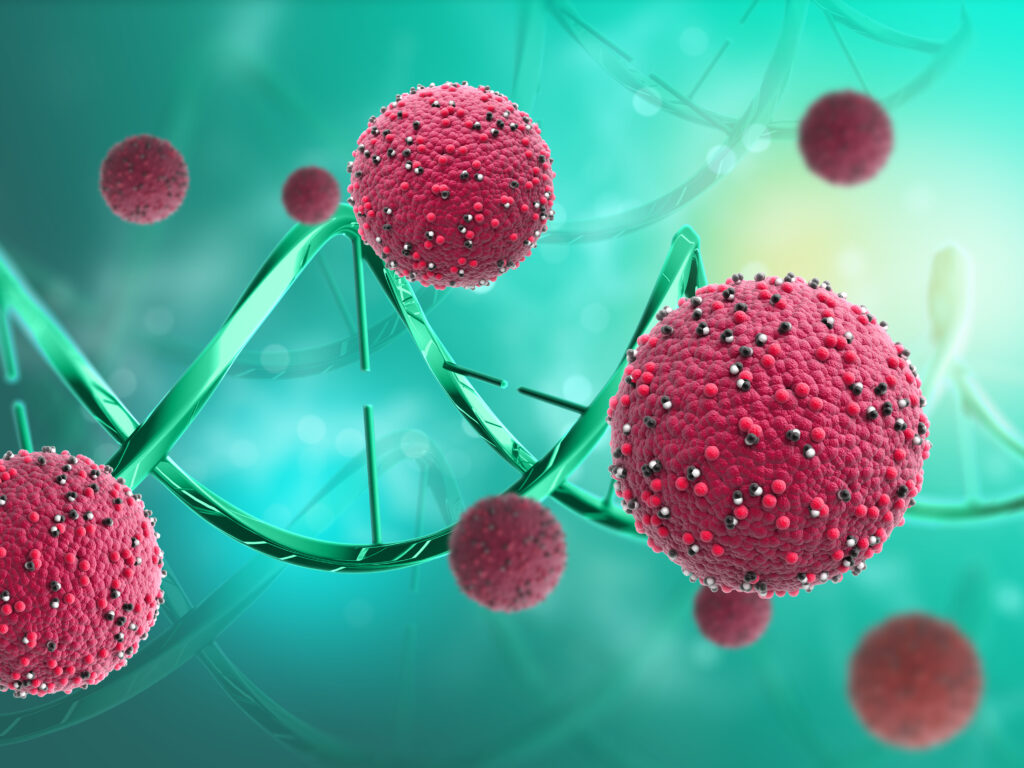
AI tools that analyze patient health data, such as lab results, genetic information, and lifestyle habits, can predict a patient’s likelihood of developing specific conditions. For example, AI models can assess genetic data to identify individuals at risk for diseases like Alzheimer’s or certain types of cancer, enabling preventive measures or early treatments.
2. Personalized Treatment Plans
AI is revolutionizing the way doctors create treatment plans for patients. Traditional treatment plans often follow a one-size-fits-all approach, but AI allows for more personalized care based on an individual’s unique medical history, genetic makeup, and lifestyle factors.
Precision Medicine
Precision medicine involves tailoring treatment based on individual differences in patients’ genes, environments, and lifestyles. Analyzing genomic data with AI to identify which treatments will be most effective for a particular patient. This approach improves treatment outcomes and minimizes the risk of adverse effects.
For example, AI algorithms can identify the most suitable drug for a patient based on their genetic profile, which is crucial for conditions like cancer where certain therapies work better for specific genetic mutations.
AI in Drug Discovery and Development
AI is also revolutionizing drug discovery. Traditional drug development processes are time-consuming and expensive, but AI accelerates this process by predicting which drug compounds are most likely to be effective against a particular disease. AI-driven platforms can analyze existing medical data to identify new drug candidates and predict their effectiveness before clinical trials.
For example, Insilico Medicine uses AI to design new drug compounds for diseases like cancer and fibrosis. By analyzing large-scale datasets, AI models can predict which compounds will have the desired therapeutic effects, speeding up the drug development process.
3. Improving Patient Care and Monitoring
AI is transforming patient care by enabling continuous monitoring and proactive management of chronic conditions. Wearable devices and AI-driven health apps track vital signs and provide real-time feedback to patients and healthcare providers, allowing for more effective and timely interventions.

AI-Powered Health Apps and Devices
Wearable devices, such as smartwatches and fitness trackers, use AI to monitor patients’ health in real time. These devices track heart rate, blood pressure, glucose levels, and other critical health metrics. The data is then analyzed by AI algorithms to detect any unusual patterns, such as irregular heartbeats or signs of a potential stroke, prompting immediate action.
For example, Apple Watch uses AI to detect irregular heart rhythms and can alert users to potential heart conditions. Similarly, AI-powered diabetes management apps like BlueLoop use AI to track blood sugar levels and suggest adjustments to diet and medication.
Virtual Health Assistants
AI-powered virtual assistants are becoming increasingly common in healthcare. These virtual assistants interact with patients, providing them with information about their health, medications, and appointments. They can also answer medical questions, schedule appointments, and send reminders for follow-up care.
For example, Ada Health is an AI-powered virtual health assistant that uses machine learning to analyze symptoms and provide medical guidance based on a patient’s input, helping them make informed decisions about their health before seeking professional medical advice.
Benefits of AI in Healthcare
The integration of AI into healthcare systems offers numerous benefits, including:
1. Reducing Medical Errors
Medical errors are one of the leading causes of death globally. AI helps reduce these errors by providing more accurate diagnoses, treatment recommendations, and medication dosages. AI-powered systems can alert healthcare providers to potential drug interactions, incorrect dosages, or missed diagnoses, reducing the likelihood of mistakes.
2. Improving Healthcare Accessibility
AI can help improve healthcare access in underserved areas, where there is often a shortage of medical professionals. AI-powered tools enable remote diagnosis and telemedicine, allowing patients in rural or remote locations to receive medical advice and treatment without having to travel long distances.
3. Streamlining Administrative Tasks
AI is also transforming the administrative side of healthcare, automating tasks like scheduling, billing, and claims processing. This reduces administrative burdens on healthcare providers, allowing them to focus more on patient care.
Challenges of AI in Healthcare
Despite its many benefits, the integration of AI into healthcare is not without challenges:
1. Data Privacy and Security
Healthcare data is highly sensitive, and AI systems require access to vast amounts of personal information to function effectively. Ensuring data security healthcare AI is a major concern, and any breaches could result in significant consequences for both patients and healthcare providers.
2. Lack of Standardization
Currently, there is no universal standard for implementing AI in healthcare. Different healthcare systems and institutions may use varying AI models, algorithms, and data formats, making it difficult to integrate AI tools across different platforms.
3. Trust and Adoption by Healthcare Providers
Despite AI’s potential, many healthcare providers remain hesitant to fully adopt AI-powered tools. Concerns about reliability, data accuracy, and the fear of replacing human healthcare professionals can hinder the widespread use of AI in healthcare.
The Future of AI in Healthcare

The future of AI in healthcare is incredibly promising. As technology continues to evolve, AI will play an even more significant role in shaping the healthcare landscape. In the coming years, we can expect to see more advanced AI tools that enhance diagnosis, treatment, and patient care.
AI will also continue to drive innovation in drug discovery, medical research, and personalized treatment plans, making healthcare more accessible, affordable, and effective for people around the world.
Conclusion
AI is already revolutionizing healthcare, and its impact on diagnosis, treatment, and patient care is undeniable. By enhancing diagnostic accuracy, personalizing treatment plans, and improving patient monitoring, AI is paving the way toward a more efficient and effective healthcare system.
While challenges such as data privacy and the adoption of AI tools remain, the future of AI in healthcare holds immense promise. With continued advancements and thoughtful integration, AI has the potential to transform healthcare as we know it, ensuring better outcomes for patients and providers alike.