
Introduction:
In recent years, Artificial Intelligence (AI) and robotics have experienced rapid advancements, each driving innovations across various industries. The integration of AI with robotics is transforming the workplace, offering the promise of increased efficiency, productivity, and precision. This fusion is not just enhancing the way we work; it is completely reshaping the landscape of industries such as manufacturing, logistics, and healthcare.
But how exactly is AI shaping the future of robotics in the workplace, and what does this mean for businesses and workers?
AI-Driven Robotics: The Dawn of Smart Automation
1. AI-Powered Robots: A Step Beyond Automation
Traditionally, robots have been used for repetitive, manual tasks. However, with the integration of AI, robots have evolved from simple machines to intelligent systems capable of making decisions, learning from their environment, and adapting to new tasks.
AI-driven robots can now process and analyze vast amounts of data in real-time, making them capable of performing complex tasks that once required human intervention. This shift is leading to the creation of smart robots that not only perform physical tasks but also contribute to the decision-making process.
2. The Role of Machine Learning in Robotics
One of the most significant contributors to this evolution is machine learning, a subset of AI that allows robots to learn from experience without explicit programming. As machine learning algorithms evolve, robots become increasingly capable of:
- Understanding their environment
- Identifying patterns in data
- Making autonomous decisions
This ability to learn from past experiences allows robots to optimize their performance continuously and adapt to new challenges, significantly improving efficiency in the workplace.
AI Robotics in the Workplace: Applications Across Industries
3. Manufacturing: The Rise of Collaborative Robots (Cobots)
In manufacturing, AI-powered robotics has led to the rise of collaborative robots or cobots, which work alongside human employees to enhance productivity. Unlike traditional robots that operate in isolation, cobots are designed to work safely and efficiently in tandem with people.
Cobots equipped with AI can perform tasks such as:
- Assembly line work
- Quality control
- Material handling
These robots learn from human workers and adjust their movements in real-time, ensuring that tasks are completed faster and with greater accuracy.
4. Logistics: Optimizing Warehouse Operations with AI Robots
In the logistics sector, AI-driven robots are revolutionizing the way goods are stored, sorted, and transported within warehouses. Companies like Amazon are already using autonomous robots that can navigate through large warehouses, picking and packing products without human intervention.
AI allows these robots to:
- Detect obstacles and avoid collisions
- Optimize delivery routes
- Track inventory levels in real-time
By increasing operational efficiency and reducing human error, these AI-powered robots are transforming supply chains, reducing costs, and speeding up order fulfillment.
5. Healthcare: Robotic Surgeons and AI-Assisted Diagnosis
In healthcare, the impact of AI-driven robotics is particularly profound. Robotic systems powered by AI are now assisting in surgeries, offering unprecedented precision and reducing recovery times for patients.
- Robotic surgeries allow for smaller incisions, which means less trauma to the body and faster healing.
- AI in diagnostic tools can analyze medical images with greater accuracy than human doctors, helping to identify diseases such as cancer early and more reliably.
These applications in healthcare are enhancing patient care and helping healthcare professionals deliver better outcomes.
The Impact of AI Robotics on the Workforce
6. How Robotics is Redefining Jobs and Creating New Opportunities
While AI-powered robotics is automating many tasks traditionally performed by humans, it’s important to recognize that this technology is also creating new job opportunities. Robotics and AI demand a workforce with specialized skills in:
- AI development
- Robotics engineering
- Machine learning programming
As robots take over repetitive tasks, employees can focus on more complex, creative, and strategic roles, contributing to the development and improvement of the technology itself.
7. The Shift in Skill Sets: Training the Workforce for an AI-Enhanced Future
As robotics becomes more integrated into the workplace, there is a growing need for reskilling and upskilling the workforce. AI literacy and technical training are essential for workers to stay competitive.
Organizations must invest in training programs to ensure that their workforce can work alongside robots, understand their functionality, and drive innovation in the workplace.
Challenges and Ethical Considerations
8. Job Displacement: How to Balance Automation and Employment
Despite the numerous benefits, the rise of AI-driven robotics raises concerns about job displacement. As robots take over more tasks, some jobs, particularly in manual labor, may be at risk.
The key to addressing these concerns lies in upskilling and retraining workers for roles that are less likely to be automated. It’s essential for governments, businesses, and educational institutions to collaborate in developing strategies that minimize the negative impact on employment.
9. Ethical Implications of AI in Robotics
With the increasing capabilities of AI, ethical concerns about the decision-making of autonomous robots are growing. For example, how do we ensure that AI-driven robots make ethical decisions, particularly in sectors like healthcare and law enforcement?
Establishing clear AI ethics guidelines will be crucial in ensuring that robots operate fairly, safely, and responsibly, with proper oversight in place to address any issues that may arise.
The Future: What’s Next for AI and Robotics in the Workplace?
10. The Next Frontier: Fully Autonomous Workplaces
Looking ahead, AI-powered robotics will likely move beyond supporting roles and become integral to fully autonomous workplaces. This future could see entire factories, warehouses, and offices run by AI robots, with human workers managing and overseeing operations rather than performing manual tasks.
AI and robotics will continue to evolve, becoming more intelligent, adaptable, and autonomous, enabling businesses to operate more efficiently and cost-effectively. However, human oversight will remain essential to ensure these systems function ethically and responsibly.
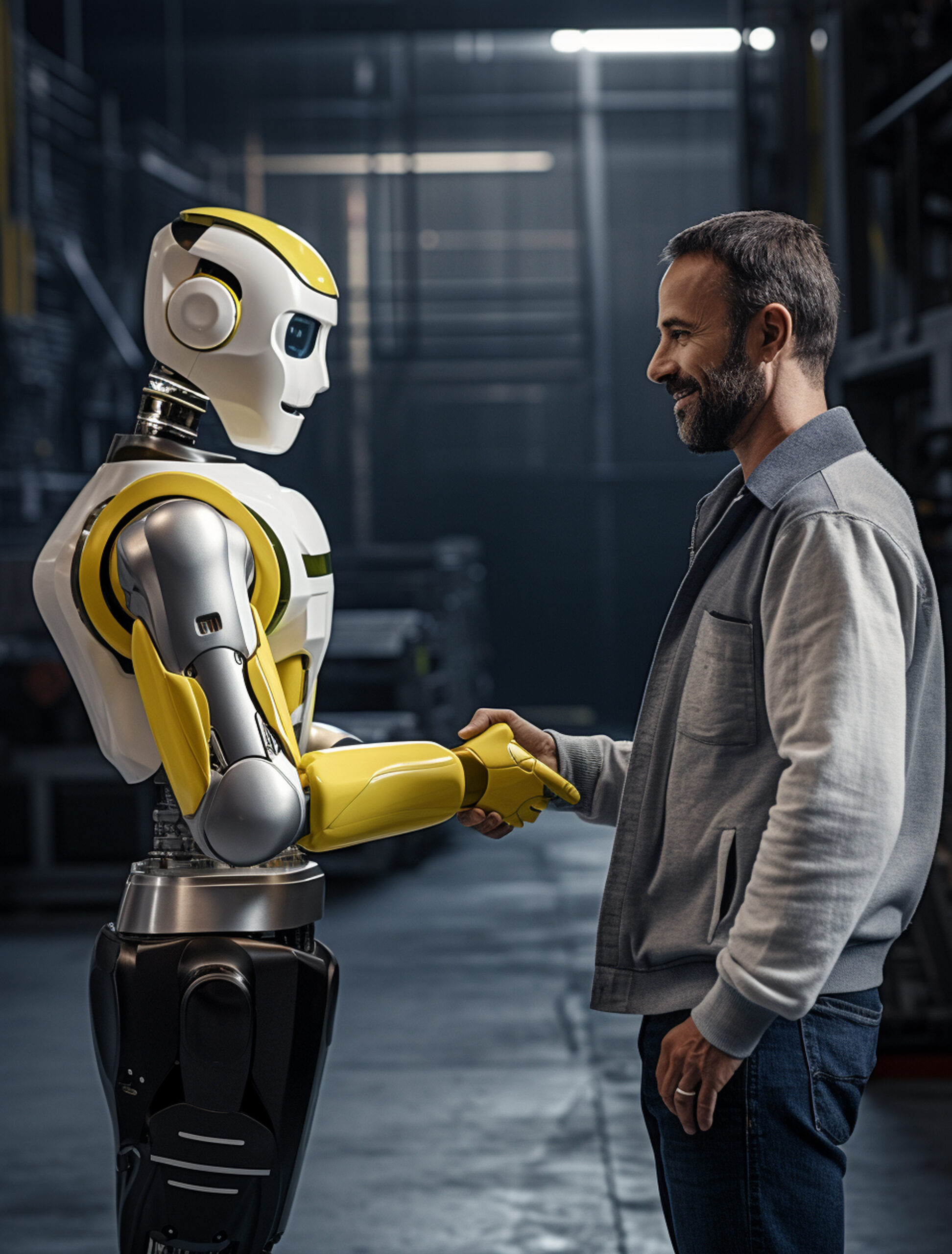
11. The Human-Robot Partnership: The Key to Success
In the coming years, the most successful businesses will be those that can foster a productive human-robot partnership. Rather than replacing workers, robots will enhance human capabilities, enabling people to focus on creative, strategic, and high-value tasks.
This balance between automation and human intelligence will unlock new opportunities for growth, innovation, and collaboration in the workplace.
Conclusion:
AI and robotics are reshaping the workplace, driving efficiency, productivity, and innovation across industries. While challenges such as job displacement and ethical concerns remain, the potential benefits are immense. By embracing AI-driven robotics and adapting to the changing landscape, businesses can prepare for a future that is smarter, more efficient, and more collaborative.As we move toward 2026 and beyond, the fusion of AI and robotics will continue to unlock new possibilities in the workplace, creating opportunities for businesses and workers alike to thrive in an ever-evolving digital world.