


Benefits of AI in Cybersecurity: Enhancing Protection and Threat Detection
Introduction
As cyber threats continue to grow in complexity and frequency, businesses, governments, and individuals must adapt to new security measures. Artificial Intelligence (AI) has become one of the most powerful tools in the cybersecurity arsenal, helping to detect, prevent, and respond to cyberattacks in ways that traditional methods simply cannot match.
In this blog, we will dive deep into the top benefits of AI in cybersecurity, exploring its capabilities, real-world applications, and how businesses can leverage AI-driven solutions to strengthen their security posture.
What is AI in Cybersecurity?
At its core, AI in cybersecurity refers to the application of artificial intelligence and machine learning (ML) algorithms to identify, mitigate, and manage cybersecurity risks. Traditional cybersecurity systems rely heavily on rule-based approaches, human intervention, and static datasets. However, these methods are often slow and reactive, leaving systems vulnerable to evolving cyber threats.

AI-powered cybersecurity solutions, on the other hand, can continuously learn from vast datasets, identify patterns, and adapt to new threats in real-time. This adaptive nature makes AI tools an ideal solution for cybersecurity, where threats can change rapidly and unpredictably.
Incorporating AI into your cybersecurity strategy means utilizing the power of algorithms to detect anomalies, automate responses, and predict potential vulnerabilities in your systems, all while reducing the need for constant manual intervention.
Top Benefits of AI in Cybersecurity
1. AI-Powered Threat Detection and Response
The primary benefit of AI in cybersecurity lies in its improved threat detection capabilities. Traditional methods of threat detection often rely on signature-based detection, where predefined signatures of known threats are compared to incoming data. However, this approach is often insufficient in identifying zero-day vulnerabilities and new, unknown types of attacks.
AI-based systems, particularly those using machine learning (ML), can learn from previous attacks and continuously analyze new data for unusual or suspicious patterns. This allows AI tools to identify emerging threats and detect previously unknown attack vectors that traditional systems may miss.
Example: AI-powered intrusion detection systems (IDS) can analyze network traffic in real-time, flagging unusual patterns like unsolicited data transfers or unusual login attempts without relying solely on predefined rules. If an anomaly is detected, the AI system can take immediate action to prevent further damage.
2. Automation for Efficiency
Cybersecurity teams are often overwhelmed with the sheer volume of data they need to monitor, analyze, and respond to. In many cases, manual monitoring and human decision-making can lead to delays in response time, leaving systems vulnerable to attackers.
AI-driven automation can handle many repetitive and time-consuming tasks, including monitoring network traffic, reviewing logs, and responding to minor threats. This automation reduces the workload on security teams and ensures that critical threats are addressed immediately, minimizing downtime and potential damage.
Example: AI systems can automatically block malicious IP addresses, isolate infected devices, or quarantine suspicious accounts when a threat is detected. By automating these processes, AI significantly reduces human error and enhances the overall efficiency of security operations.
3. Predictive Capabilities for Threat Prevention
AI’s predictive capabilities provide a proactive approach to cybersecurity. Unlike traditional systems that react to threats after they occur, AI can analyze vast amounts of historical data, identify patterns, and predict potential future attacks. This allows businesses to implement preventative measures before an attack takes place.
Example: AI-powered systems can predict which systems are most vulnerable to attacks like ransomware or phishing based on historical trends and patterns. This allows organizations to patch vulnerabilities or apply additional layers of protection in advance.
4. Enhanced Security Monitoring
AI provides businesses with 24/7 monitoring capabilities, constantly analyzing system data to detect suspicious activity. Unlike traditional security systems that may require periodic scans or updates, AI can work continuously, ensuring that threats are caught as soon as they arise.

Example: AI systems can monitor logins from new devices or unusual locations, flagging them as potential threats. This helps to prevent unauthorized access to sensitive data, ensuring a higher level of protection for users and organizations alike.
5. Reduced Response Time and Human Intervention
Cyberattacks move at lightning speed, and every second counts when mitigating threats. AI in cybersecurity can significantly reduce response times, allowing security teams to respond to incidents faster and more effectively.
Example: During a DDoS attack, AI can instantly detect the attack, block malicious traffic, and alert the security team for further investigation, all while preventing downtime and minimizing disruptions to the system.
How AI in Cybersecurity Improves Over Time
One of the most impressive features of AI-driven cybersecurity solutions is their self-learning capability. Machine learning algorithms allow AI systems to continuously improve their performance as they process more data and encounter new types of threats.
As AI systems analyze more cybersecurity incidents, they become more accurate and efficient at recognizing patterns and detecting anomalies. Over time, these systems can provide businesses with better protection against both known and unknown cyber threats.
Real-World Applications of AI in Cybersecurity
1. AI-Powered Security Software
AI is being integrated into security software to enhance detection capabilities. From AI-based antivirus programs to advanced firewalls, these tools use machine learning algorithms to analyze incoming data and detect threats that traditional systems may miss.
2. Threat Intelligence Platforms
AI-powered platforms are helping businesses stay updated on the latest threats by aggregating data from multiple sources and providing real-time insights. These platforms continuously learn from new threats, allowing businesses to react more effectively to cyber risks.
3. Behavioral Analytics
By analyzing user behavior, AI can identify abnormal actions that may indicate a breach or malicious activity. This approach goes beyond traditional signature-based detection and can help identify insider threats or advanced persistent threats (APTs).
The Future of AI in Cybersecurity
As the landscape of cyber threats continues to evolve, AI will remain at the forefront of cybersecurity innovations. Future developments in AI and machine learning will likely lead to more sophisticated threat detection, autonomous security systems, and advanced defense mechanisms.
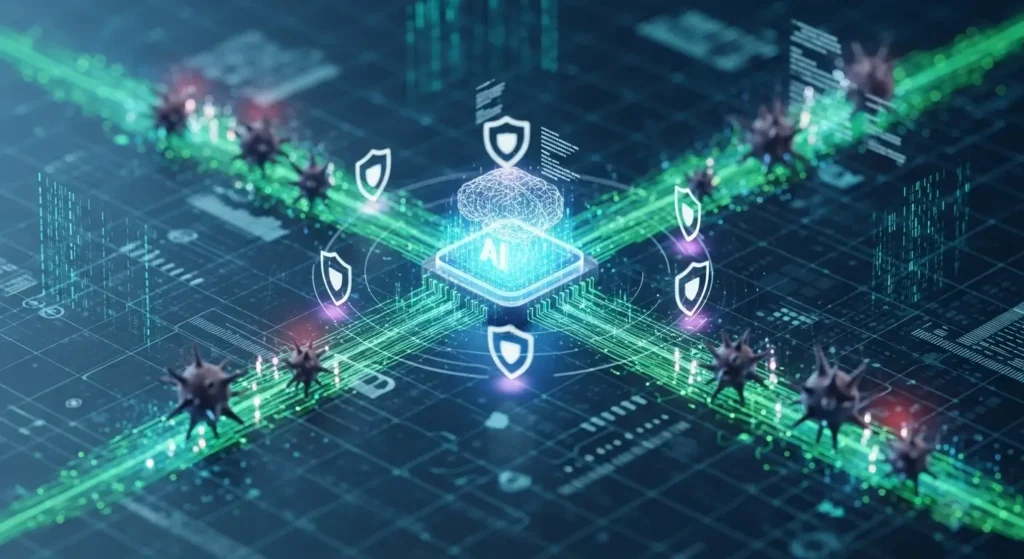
Conclusion: Embrace AI for Enhanced Cybersecurity
The benefits of AI in cybersecurity are undeniable. AI offers improved threat detection, automation, predictive capabilities, and faster response times that traditional security methods cannot match. As cyber threats become more sophisticated, leveraging AI-powered cybersecurity tools is no longer optional—it’s a necessity.
By incorporating AI into your cybersecurity strategy, you can stay ahead of cybercriminals, improve your threat detection capabilities, and reduce human error. With AI’s ability to continuously learn and adapt, it is the key to ensuring your systems are protected in the digital age.