

Introduction:
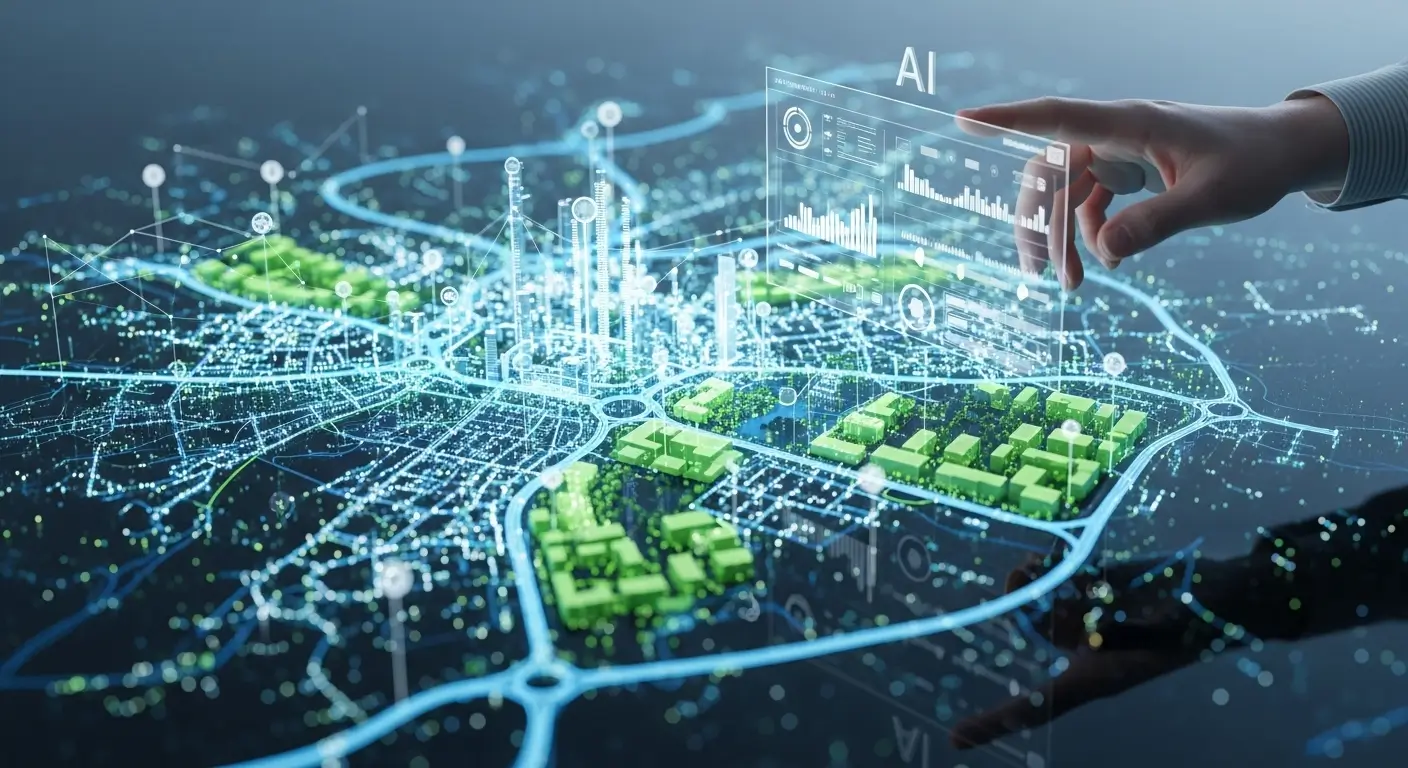
In 2026, AI for urban planning has become an essential tool in shaping smarter, more sustainable cities. With rapid technological advancements, urban planners are increasingly turning to artificial intelligence (AI) to tackle challenges like traffic congestion, energy management, and city design. AI’s ability to analyze vast amounts of data, simulate complex environments, and automate decision-making is transforming urban planning processes.

AI is revolutionizing urban planning by optimizing land use, enhancing public safety, and improving transportation, creating more efficient and sustainable cities. This blog explores the key trends, benefits, and challenges of AI in shaping the urban environments of tomorrow.
Key Trends in Urban Planning Driven by AI
1. AI-Driven Urban Design Tools: Creating Smarter Cities
AI tools are revolutionizing the way cities are designed and developed. AI-powered urban planning through generative design allows this AI urban design technology to simulate multiple design scenarios and provide planners with the most efficient and sustainable options.
For example, AI algorithms can design building layouts that maximize natural light and airflow, reducing energy consumption. Cities like Singapore and Barcelona are already using AI-driven design tools to optimize their urban infrastructure and improve the overall quality of life.
2. AI-Powered Traffic Management Systems
Urban traffic management has always been a challenging task, but AI is now helping cities manage congestion and reduce pollution. AI traffic management systems use real-time data from cameras, sensors, and GPS devices to optimize traffic flow. These systems can adjust traffic signals, manage public transportation schedules, and provide drivers with real-time information on the fastest routes.

In Los Angeles, for example, AI is being used to control traffic lights and improve the flow of traffic, reducing congestion and emissions. By analyzing patterns in traffic behavior, AI can also predict traffic jams and reroute vehicles accordingly.
3. AI in Public Safety and Surveillance
AI is also playing a crucial role in enhancing public safety in smart cities. AI-powered surveillance systems use facial recognition, object detection, and predictive analytics to monitor public spaces and detect potential threats. These systems can alert authorities to suspicious behavior or identify hazards before they escalate into larger problems.
Cities like London have implemented AI surveillance systems that help law enforcement prevent crimes by analyzing patterns and behaviors. With AI, urban areas can become safer, with reduced crime rates and more efficient emergency response times.
Benefits of Using AI for Urban Planning
1. Increased Efficiency and Cost Savings
One of the most significant benefits of using AI for urban planning is the efficiency it brings to city management. AI systems can automate time-consuming tasks such as data analysis, traffic management, and infrastructure maintenance, allowing urban planners and city officials to focus on more strategic decisions.
By optimizing urban design and transportation systems, AI can also help reduce costs associated with urban development. For example, AI can predict the lifespan of infrastructure, allowing cities to plan maintenance and repairs more effectively, reducing the need for costly emergency repairs.
2. Improved Sustainability and Resource Management
As cities grow, the demand for resources such as water, energy, and land increases. AI can help cities manage these resources more efficiently, reducing waste and promoting sustainability. AI systems can monitor energy consumption, adjust lighting and heating in buildings, and even optimize waste collection routes to reduce fuel consumption.
Copenhagen, for example, is using AI to optimize its energy consumption and reduce its carbon footprint. By analyzing data from sensors placed throughout the city, AI can predict energy usage patterns and suggest ways to conserve energy.
3. Better Decision Making with Data-Driven Insights
AI enables urban planners to make better, data-driven decisions by analyzing vast amounts of data collected from sensors, social media, and other sources. AI algorithms can identify patterns in this data and generate insights that human planners may not have noticed.
For example, AI can analyze traffic patterns to suggest new routes for public transportation or identify areas in need of better infrastructure.By using AI for urban planning, cities can make more informed decisions, leading to smarter urban development.
How to Implement AI for Success in Urban Planning
1. Invest in AI-Driven Tools and Software
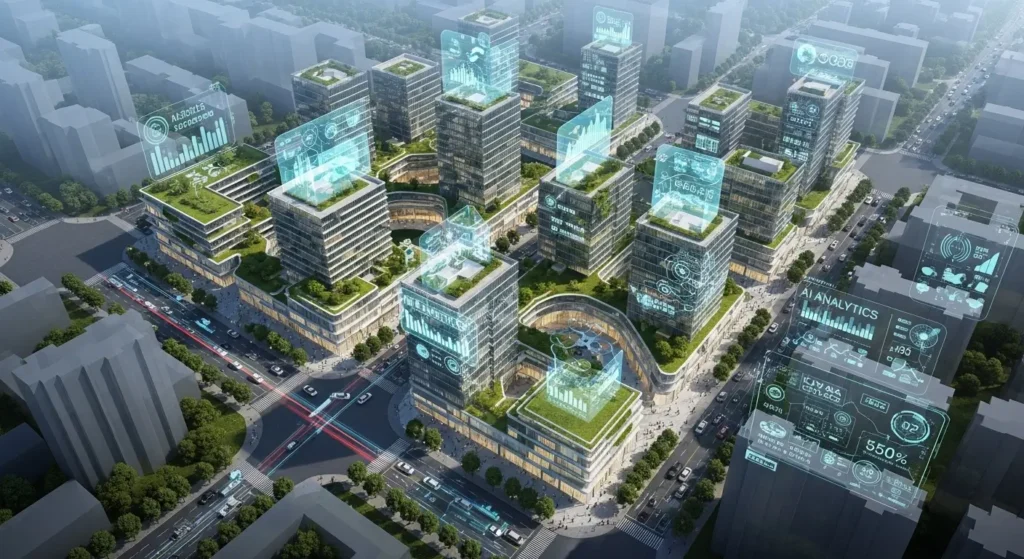
For successful AI implementation in urban planning, cities must invest in the right tools and software. AI-driven urban design software, traffic management systems, and predictive maintenance tools are essential for optimizing city planning processes.
Cities should also invest in the infrastructure needed to support AI, including sensors, cameras, and high-speed data networks. This investment is especially important for Ai for urban planning, as it enables real-time data collection and analysis, which are essential for AI systems to function effectively
2. Train Urban Planners in AI Technology
While AI can automate many tasks, human expertise is still crucial in urban planning. Planners must be trained to understand how AI tools work and how to interpret the data generated by these systems.
Training urban planners to work alongside AI will ensure that AI technologies are used to their full potential and that the data produced is used effectively in decision-making.
3. Foster Collaboration Between AI Developers and City Officials
Successful implementation of AI in urban planning requires close collaboration between AI developers and city officials. AI developers can provide the technical expertise needed to build AI systems, while city officials ensure the technology meets the specific needs of the city.
This partnership is key to shaping the future of AI by creating solutions tailored to the unique challenges of each city.
Challenges to Overcome When Using AI in Urban Planning
1. Data Privacy and Security Concerns
As cities grow more connected and data-driven, concerns about data privacy and security are increasing. AI systems rely on vast amounts of data to function, and much of this data can be sensitive, such as traffic patterns, personal information, or surveillance footage.
Cities must ensure that AI systems comply with data protection laws and that residents’ privacy is protected. Implementing robust cybersecurity measures is also essential to safeguard against hacking and data breaches.
2. Ethical Considerations and Bias in AI Algorithms
AI algorithms can sometimes exhibit biases, especially if they are trained on biased data. For example, AI-powered surveillance systems may disproportionately target certain demographic groups, leading to ethical concerns. It’s essential for cities to address these biases by ensuring that AI systems are trained on diverse, representative data.
3. High Initial Costs
Implementing AI in urban planning requires significant upfront investment, which can be a barrier for some cities. While AI can save money in the long run by improving efficiency, the initial costs of AI tools, infrastructure, and training can be high. Cities must weigh the potential long-term benefits against the short-term costs.
Conclusion: The Future of AI in Urban Planning
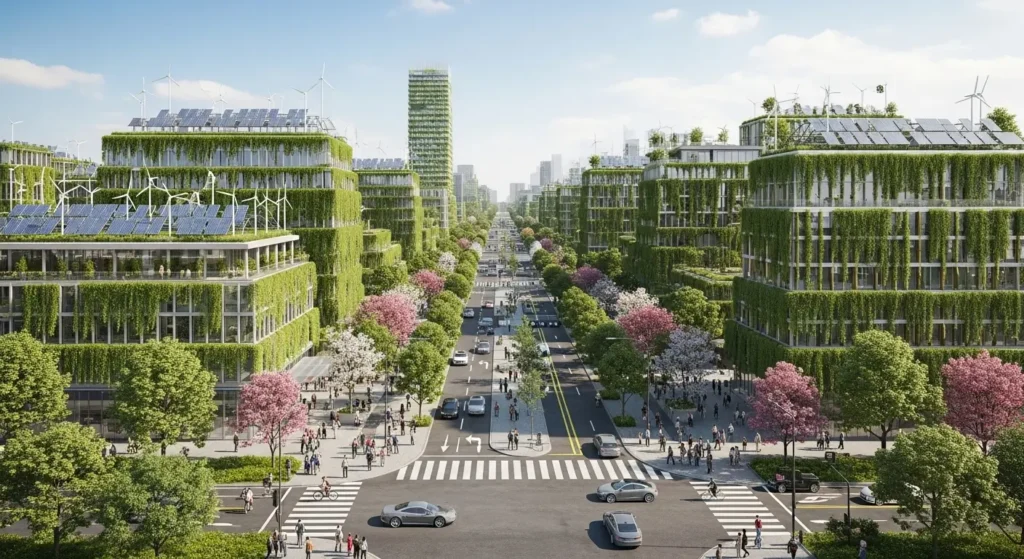
AI is transforming urban planning, making cities smarter, more sustainable, and more efficient. AI for urban planning is helping cities address the challenges of modern urbanization. As AI technology continues to evolve, its potential to revolutionize urban planning will only grow.
As we approach 2026, cities must continue investing in AI and integrating it into their planning processes. By doing so, they will be better equipped to create cities that are not only efficient and sustainable but also resilient and inclusive.