
Introduction
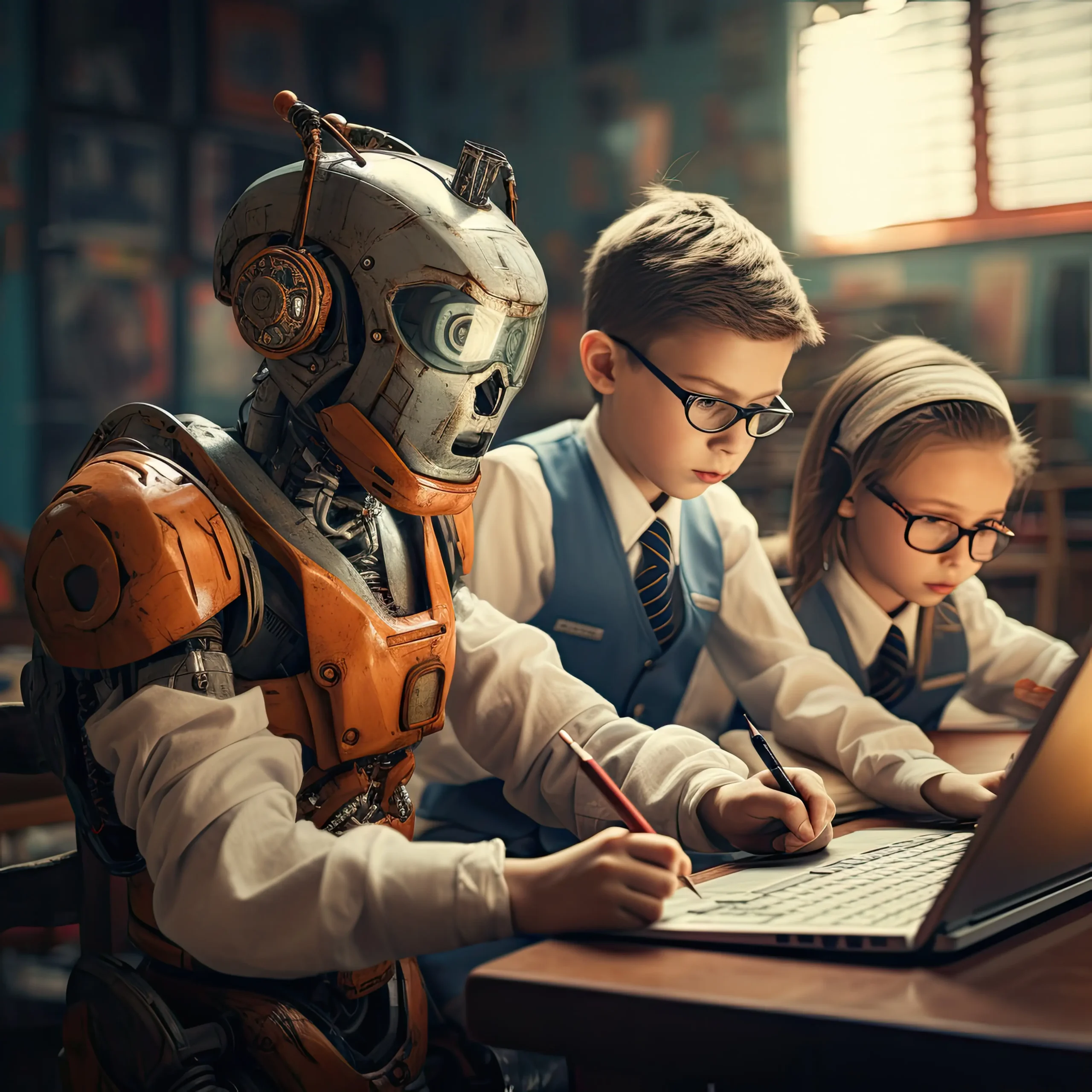
Artificial intelligence is redefining modern education by delivering personalized learning experiences, real time insights, and data driven support for students. AI empowers educators to focus on meaningful teaching, deeper student engagement, and improved learning outcomes.
Artificial Intelligence and the Future of Education will be more adaptive, efficient, and accessible, with AI playing a pivotal role in creating personalized, engaging, and transformative learning experiences for students across the globe.
What is Artificial Intelligence in Education?
Artificial Intelligence refers to the development of systems that can perform tasks that traditionally require human intelligence. In education, this means creating tools and platforms that can assist in various aspects of the learning process, from automating administrative duties to personalizing learning experiences. Rather than replacing teachers, AI in education is designed to complement and enhance human instruction.
In the classroom, artificial intelligence and the future of education are shaping how students learn by assessing performance, delivering customized lessons, and providing real time feedback. It also supports teachers by automating tasks like grading, lesson planning, and data analysis, allowing educators to focus more on meaningful teaching and student interaction.
As AI continues to develop, its potential to enhance the educational experience will only increase, making learning more efficient, effective, and accessible, with ethical considerations in AI playing a critical role in its implementation.
AI-Powered Personalized Learning
One of the most exciting ways AI is impacting education is through personalized learning. Traditional classrooms often struggle to meet the diverse needs of all students. Each learner has their own pace, learning style, and set of strengths and weaknesses. AI addresses this challenge by offering personalized learning experiences that adapt to the needs of each student.
AI-powered educational platforms can analyze a student’s progress, identifying areas where they are excelling and areas where they need more support. These systems can then tailor lessons and activities to suit the student’s current level of understanding, providing additional resources or challenges as needed.
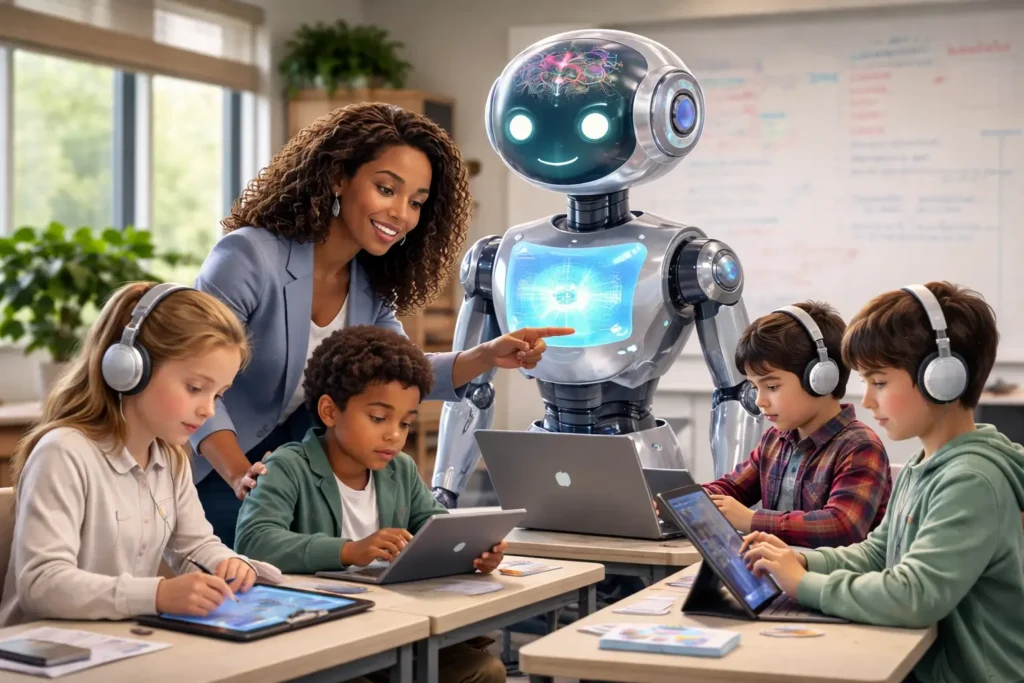
Personalized learning plays a key role in artificial intelligence and the future of education by allowing students to progress at their own pace, build confidence in their abilities, and develop a deeper understanding of the material.
Moreover, personalized learning powered by AI also helps teachers optimize lesson plans. Instead of following a fixed curriculum, educators can access real-time data on students’ progress and adjust their teaching strategies to match each student’s learning curve.
Virtual Tutors and Real-Time Feedback
Virtual tutors, powered by AI, are becoming an increasingly common feature in educational settings. These AI systems can provide students with real-time assistance, answering questions, offering explanations, and even grading assignments. This round-the-clock support allows students to access help whenever they need it, without waiting for the teacher’s availability.
How AI-Powered Virtual Tutors Support Students
Virtual tutors, powered by AI, are becoming an increasingly common feature in educational settings. These AI systems can provide students with real-time assistance, answering questions, offering explanations, and even grading assignments. This round-the-clock support allows students to access help whenever they need it, without waiting for the teacher’s availability.
Personalized Learning Through Real-Time Feedback
AI-based virtual tutors are designed to adapt to the individual needs of each student. They can provide instant feedback on assignments, helping students understand where they went wrong and how to improve. By adjusting explanations and difficulty levels, AI tutors support more effective and personalized learning experiences.
Improving Student Engagement and Motivation
In addition to providing academic support, virtual tutors help students develop critical thinking and problem-solving skills by guiding them through questions rather than giving direct answers. Real-time feedback from AI tutors reduces frustration, keeps students engaged, and encourages consistent learning, helping them stay motivated and prepared for higher-level education.
AI in Automating Administrative Tasks for Teachers
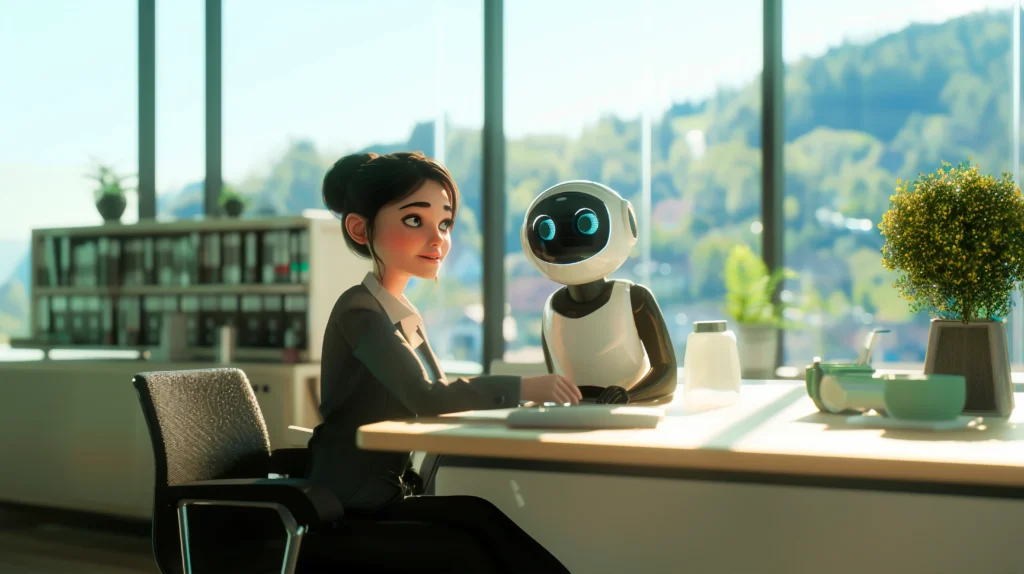
Teaching is not just about delivering lessons and interacting with students. Educators also spend a significant amount of time on administrative tasks such as grading, tracking progress, and creating lesson plans.
Within artificial intelligence and the future of education, reducing the time spent on these routine tasks allows teachers to focus more on meaningful instruction and student interaction, ultimately improving the overall quality of education.
Supporting Inclusivity with AI in Education
One of the most significant benefits of AI in education is its ability to support students with diverse learning needs. In traditional classrooms, students with disabilities or learning challenges may find it difficult to keep up with their peers. However, AI tools can provide tailored support to ensure that all students have access to the same learning opportunities.
AI-powered speech recognition tools can assist students with dyslexia by converting spoken words into text, making it easier for them to follow along with lessons. Predictive text tools can help students with writing difficulties by suggesting words or completing sentences, allowing them to express themselves more effectively.
The ability of AI to cater to various learning needs helps bridge gaps in traditional educational systems, creating a more inclusive environment for all students.
Preparing Students for an AI-Driven Future
As AI continues to become a central part of many industries, artificial intelligence and the future of education make it essential to prepare students for a world where AI plays a significant role. By learning about AI, students will be better equipped to navigate the changing job market and take advantage of opportunities in fields such as data science, machine learning, and robotics.
In the classroom, this can be achieved by incorporating AI literacy into the curriculum. Students should be exposed to the basics of AI, learning how it works, how it is applied in various industries, and the ethical considerations surrounding its use.
By learning how to build and implement AI models, students can gain a deeper understanding of the technology and develop the skills needed to work in AI-related fields. AI-based coding platforms are increasingly used in classrooms, providing students with the opportunity to engage with AI development directly.
Ethical Concerns Around Student Data and Privacy
While the benefits of AI in education are clear, there are also ethical concerns that must be addressed. One of the primary concerns is the use of student data. AI systems rely on vast amounts of data to function, and this raises questions about privacy and security.
Bias and Fairness in AI Systems
Another ethical issue is the potential for bias in AI systems. AI tools are only as good as the data they are trained on, and if this data is biased, the AI system may inadvertently reinforce existing stereotypes or inequalities.
Risks of Biased AI in Academic Evaluation
For example, an AI grading system could potentially favor certain demographics over others if it is trained on biased data. It is essential for developers and educators to carefully evaluate the data used to train AI systems to ensure fairness and accuracy.
Preserving the Human Role in Education
Moreover, while AI can enhance learning, it should never replace the human element of education. Teachers provide mentorship, emotional support, and social skills development that AI cannot replicate. AI should be viewed as a tool to support educators, not replace them.
Responsible and Ethical Integration of AI
Encouraging ethical AI usage and ensuring that it complements human intelligence are essential to its successful integration into education.
The Collaborative Role of AI in the Classroom
The future of education is likely to involve a collaborative approach, where AI works alongside teachers to enhance the learning experience. AI will not replace teachers but will help them be more effective by providing valuable insights and automating routine tasks. Teachers will still be responsible for fostering critical thinking, creativity, and emotional intelligence skills that AI cannot replicate.
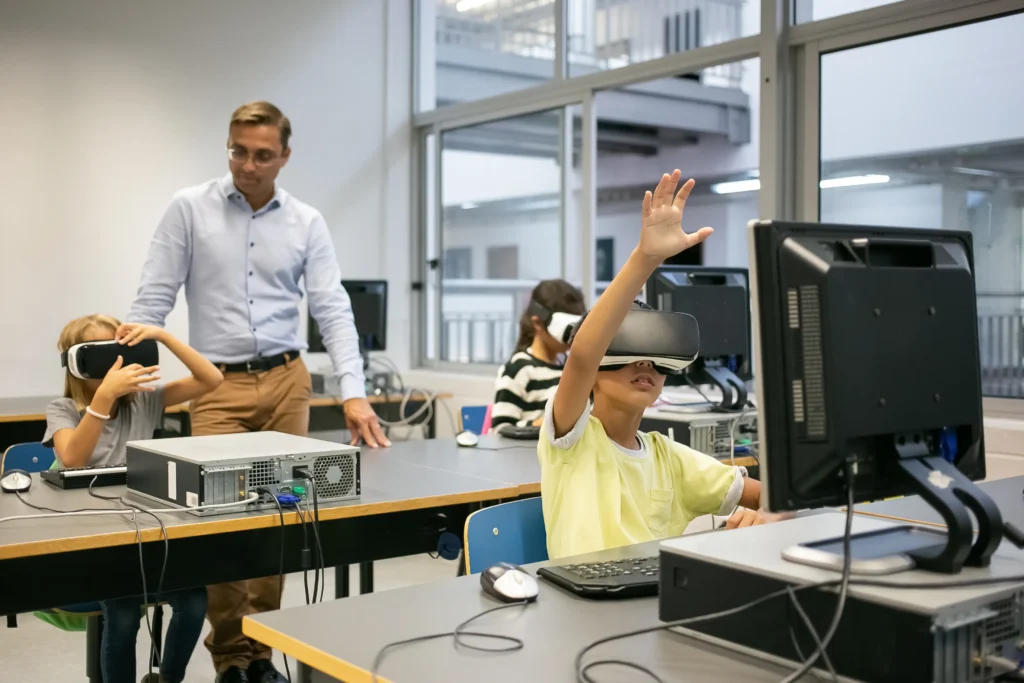
In the classroom of the future, AI systems will be able to track student progress, identify areas where students are struggling, and recommend personalized interventions. Teachers will use this information to adjust their teaching strategies and provide additional support where needed.
Conclusion
Artificial Intelligence and the future of education are transforming the way we learn and teach. AI enables personalized and efficient learning experiences, catering to individual student needs. It is essential that AI complements educators rather than replacing them to ensure its success in the classroom.
AI is not just a tool but a valuable partner in shaping the future of education, driving innovation, and creating more adaptive learning environments in a digital word.